Treatments
General Dentistry
List of all general dentistry treatments we offer.
A comprehensive dental health check involves a thorough examination of teeth and gums, including an oral cancer screen. Intraoral and extraoral Xrays are taken where necessary.
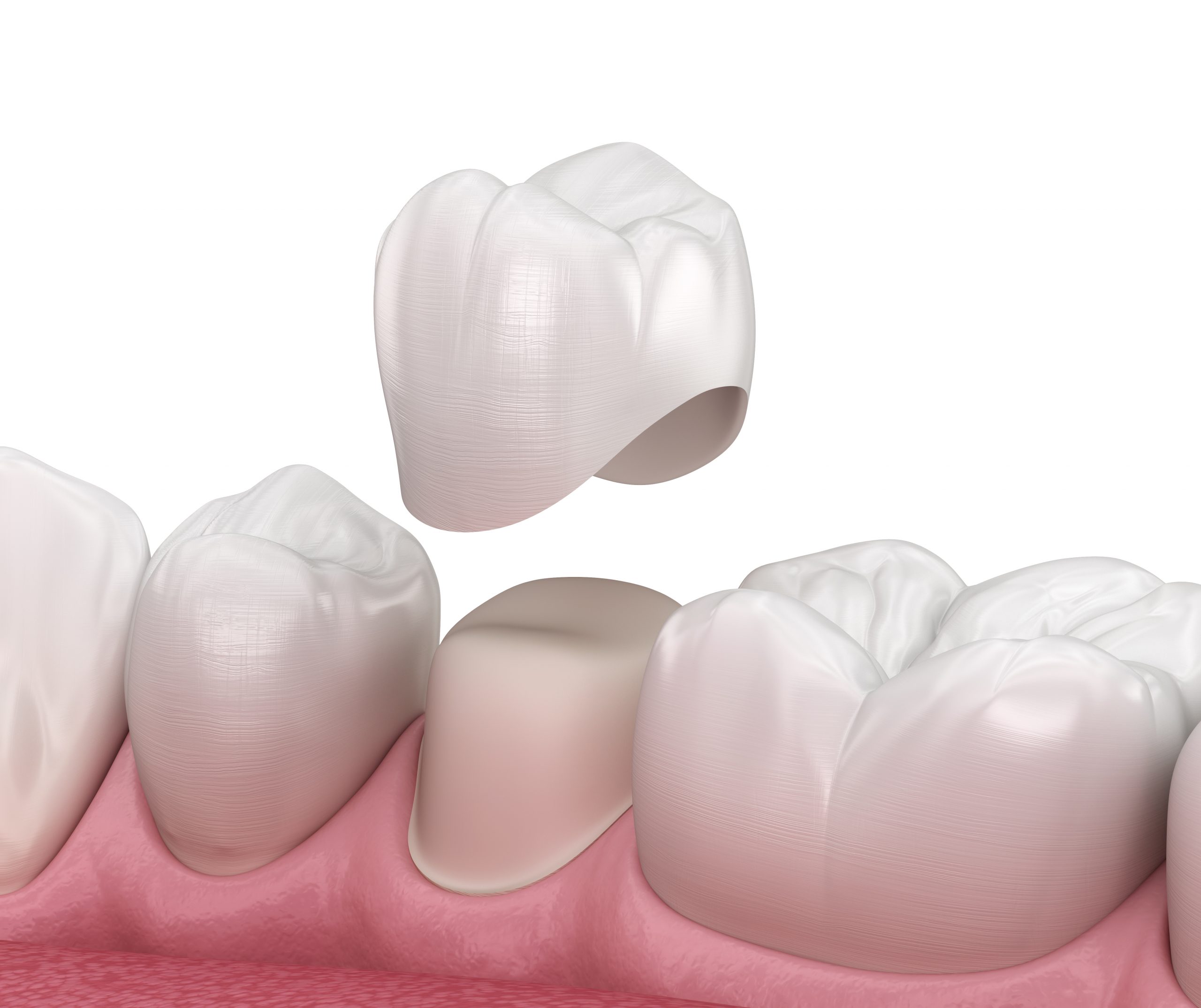
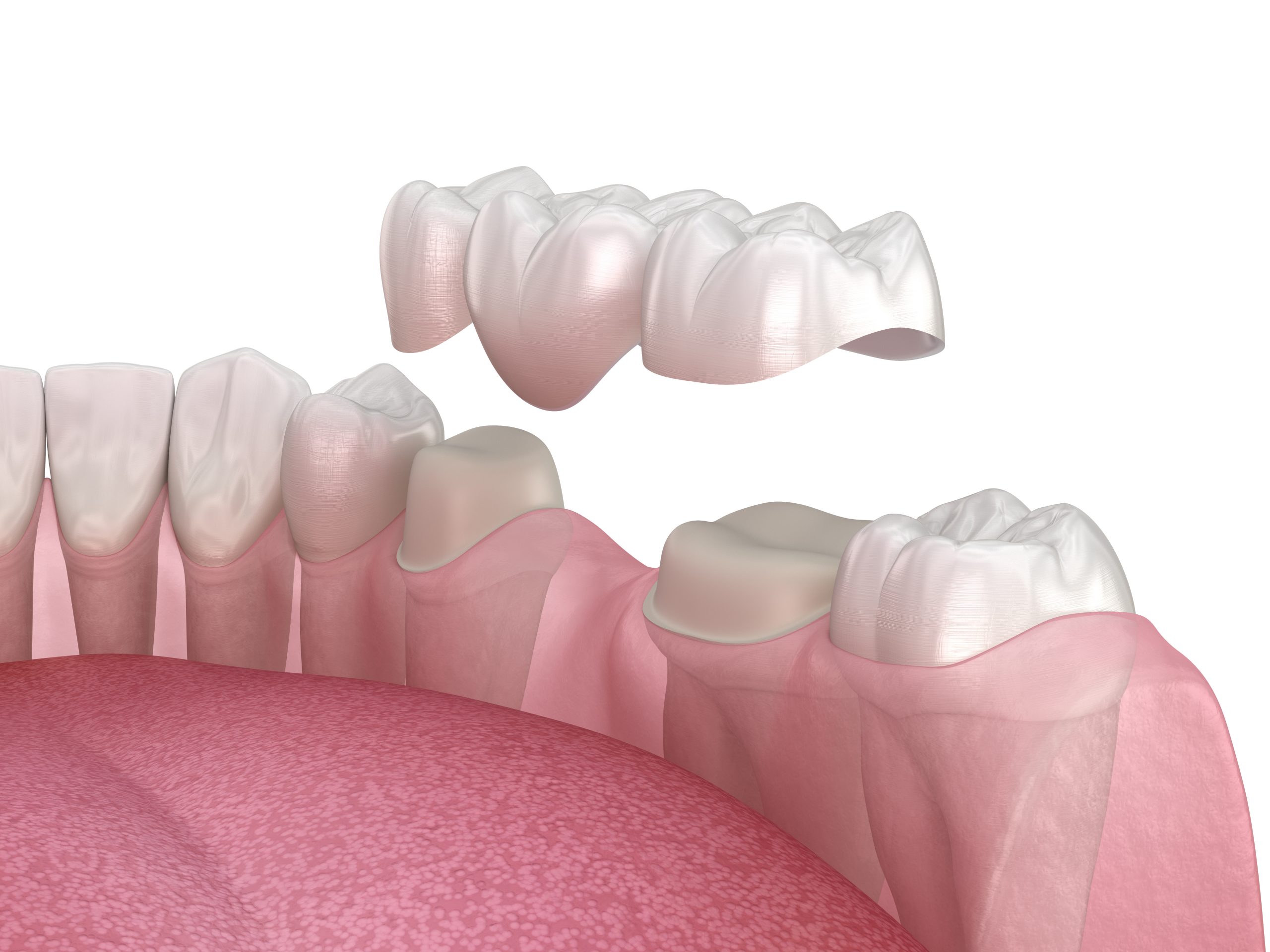
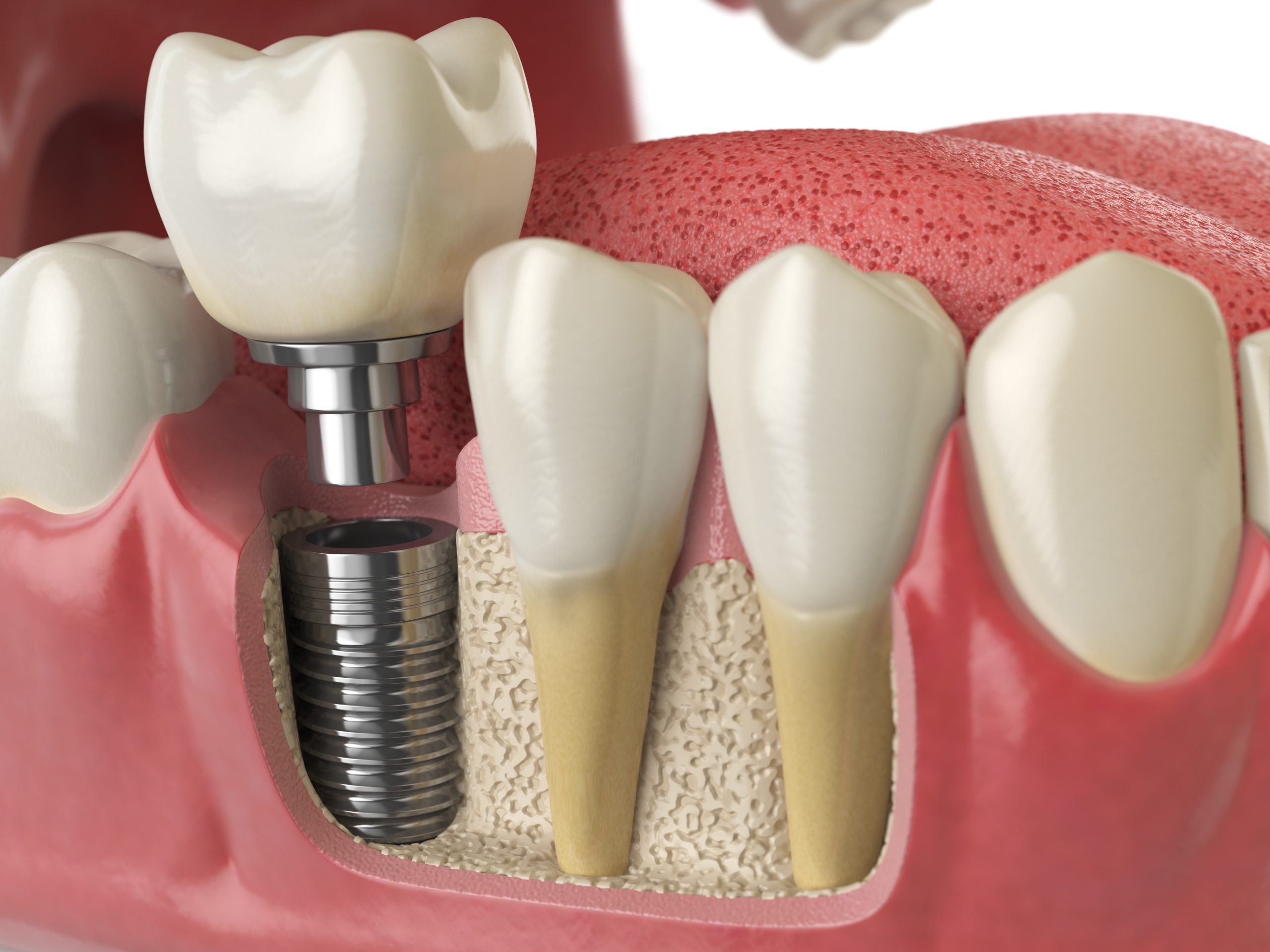
A dental crown is a type of dental restoration that is placed over a damaged, worn out or decayed tooth. It is essentially a cap that is designed to surround the affected tooth and protect it from further damage while also restoring its function and appearance. Crowns are typically made from porcelain, ceramic or metal materials and they can be used to cover a range of dental issues such as large fillings, cracks, chips or discolorations.
A composite filling, also known as a tooth-colored filling, is a dental restorative material used to repair tooth cavities or other defects. It is made of a mixture of plastic and ceramic compounds that can be matched to the color of the natural tooth, making it virtually invisible. Composite fillings are commonly used to repair teeth that have been damaged by decay, cracks or fractures, and they provide a more aesthetically pleasing option compared to traditional silver amalgam fillings. Additionally, composite fillings require less removal of tooth structure and are often considered a more conservative option for dental restoration.
A root canal treatment is a dental procedure that is performed to treat an infected or inflamed tooth pulp. This is the soft tissue inside the tooth that contains nerves, blood vessels, and connective tissue. When the pulp becomes damaged or infected, it can cause pain, swelling, sensitivity, and other symptoms. A root canal procedure involves removing the damaged pulp, cleaning and disinfecting the root canal system, and sealing the canal with a filling material. This helps to eliminate the infection, relieve pain, and save the tooth. The treatment is typically performed by an endodontist, a dentist who specializes in treating the inside of the tooth.
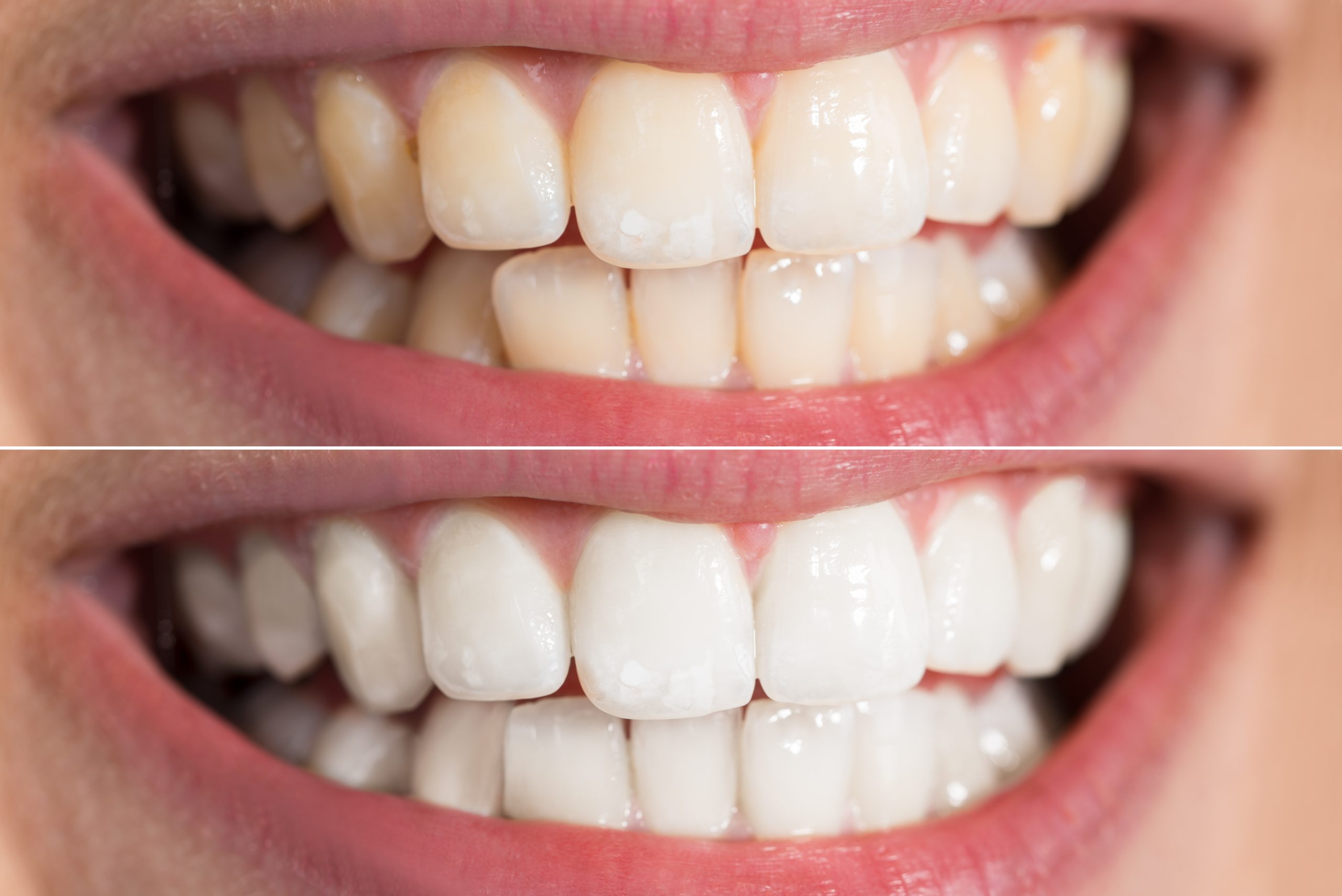
Dental veneers are thin, custom-made shells that are designed to cover the front surface of the teeth. They are usually made of porcelain or composite resin and are bonded to the teeth to improve their appearance. Dental veneers can be used to correct a variety of cosmetic issues, including discoloration, chipped or broken teeth, gaps between teeth, and misaligned teeth. They are a popular cosmetic dentistry option because they are a minimally invasive way to completely transform the look of your smile.
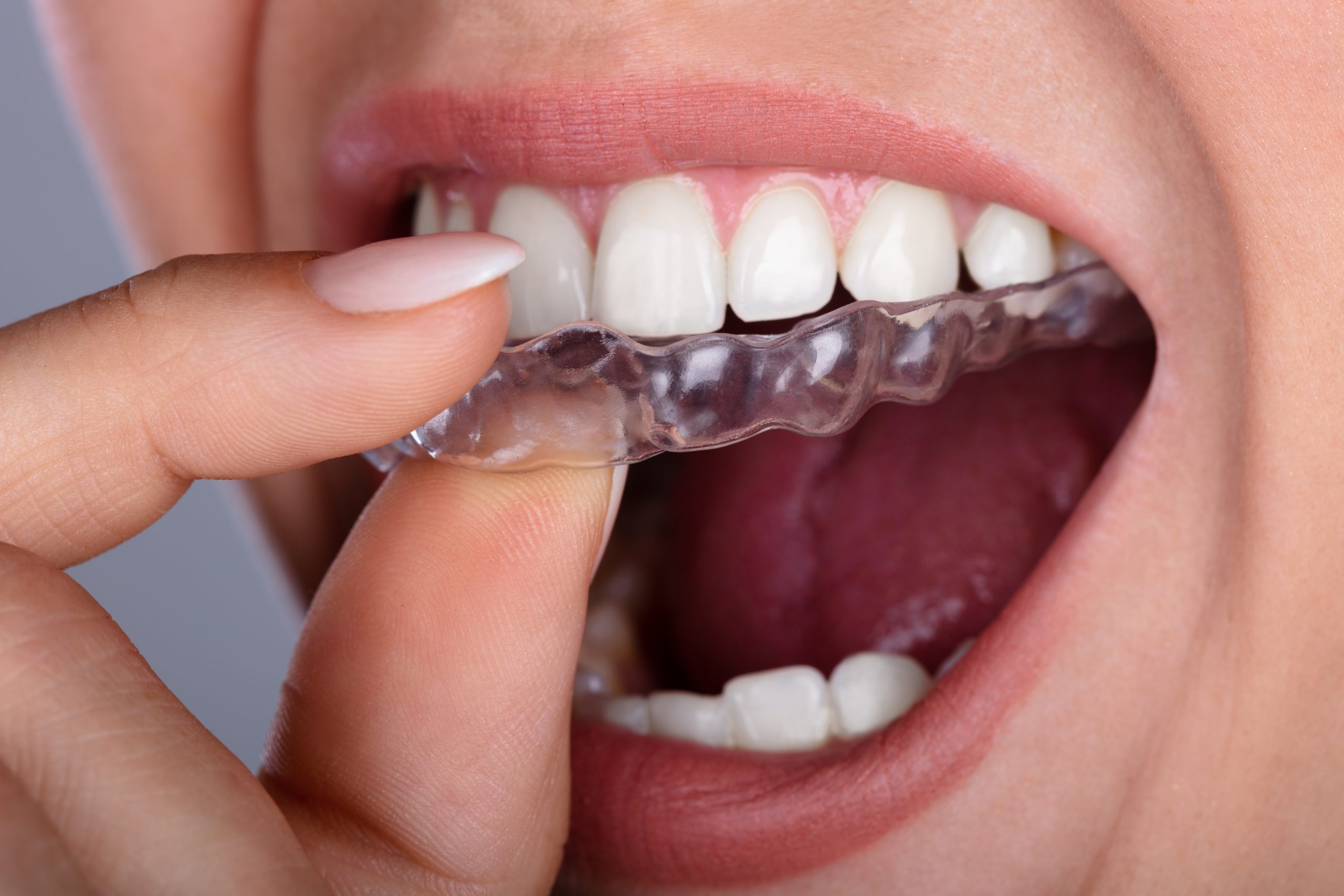
1. First, your orthodontist will take a series of digital impressions of your teeth using a specialized 3D scanner.
2. These impressions are then used to create a custom treatment plan, which includes a series of aligner trays that are designed to gradually move your teeth into the desired position.
3. You will wear each aligner tray for a specified amount of time, typically 1-2 weeks, before switching to the next tray in the series.
4. Each new tray is slightly different than the previous one, which helps to apply pressure to specific teeth and gradually move them into the desired position.
5. You will typically wear the aligners for up to 22 hours per day, removing them only when eating, drinking, or brushing your teeth.
6. Your orthodontist will monitor your progress throughout treatment and may make adjustments to your treatment plan as needed.
Overall, orthodontic aligners are an effective, discreet, and convenient way to correct a wide range of orthodontic issues, including overcrowding, spacing problems, and bite issues.
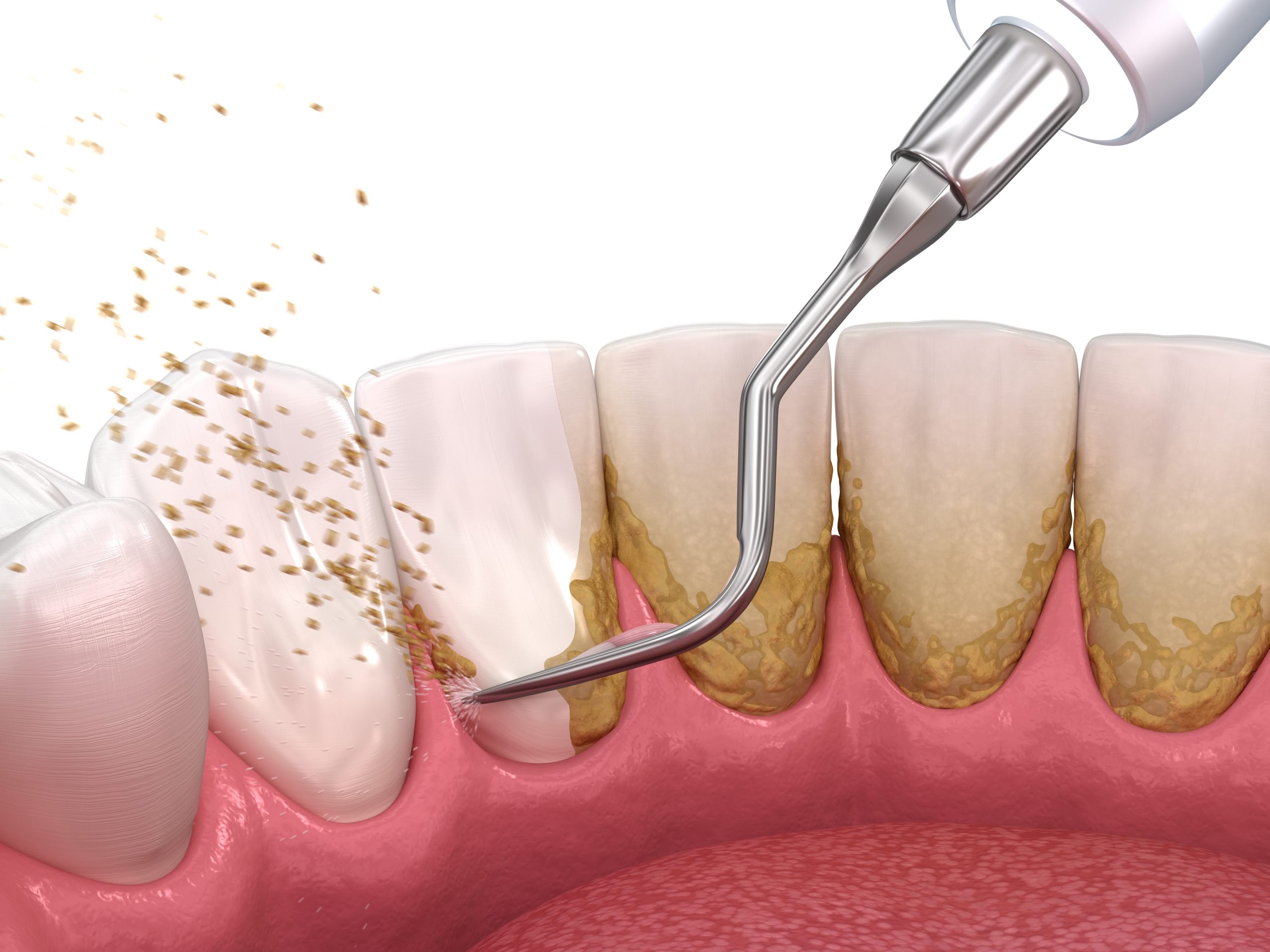
Periodontal disease, also known as gum disease, is an infection of the gums and bone that hold the teeth in place. It is caused by a buildup of bacteria and plaque on the teeth and gums, which leads to inflammation and the breakdown of the tissues.
There are two main types of periodontal disease: gingivitis and periodontitis. Gingivitis is a mild form of the disease and is often characterized by red, swollen gums that bleed easily. It can be treated with good oral hygiene practices, such as brushing and flossing regularly and getting regular dental cleanings.
Periodontitis is a more serious form of the disease that can cause irreversible damage to the gums and bone that support the teeth. Treatment for periodontitis may involve more intensive cleaning procedures, such as scaling and root planing, which remove built-up plaque and bacteria from the teeth and gums. In some cases, surgery may be required to repair or regenerate damaged tissues.
Prevention is key to avoiding periodontal disease. Good oral hygiene practices, such as brushing twice a day, flossing daily, and getting regular dental cleanings, can help reduce the risk of developing the disease.